
How intentional investment, visibility, and opportunity help creatives turn their work into lasting income.
The South is full of talent. What it often lacks is the infrastructure needed to help that talent become sustainable.
Across the country, artists are asked to do two things at once: create meaningful work and navigate the realities of running a business. They are expected to market themselves, secure opportunities, manage finances, and build audiences, often without the systems or support necessary to do so successfully. As a result, many talented creatives produce exceptional work but struggle to translate that work into consistent income or long-term stability.
We believe that creative work should not exist in isolation from economic reality. Artists deserve more than exposure; they deserve viable pathways to sustainability. This means access to paid opportunities, connections to audiences and buyers, and platforms that allow their work to generate real value.
It also means recognizing artists for what they already are: entrepreneurs. Many are operating as small businesses, managing their own brands, negotiating contracts, and navigating complex and competitive markets. The challenge is not a lack of talent or ambition; it is a lack of infrastructure that supports growth.
Sustainability in the arts does not happen by accident. It requires intentional systems that value both creativity and commerce, and that are designed to help artists move from passion to profession.
This is where the Fulton Institute enters the work.
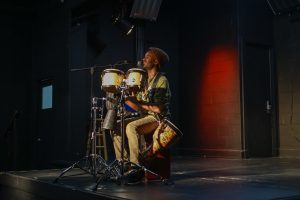
Through programs like Filmer and BOOST!, the Fulton Institute creates structured, paid opportunities that allow artists to generate income while expanding their reach. Whether it’s a filmmaker premiering a new project, a musician teaching in schools, or a fine artist connecting with new collectors, each experience is designed to move artists closer to financial sustainability.
The organization also prioritizes strengthening local markets. When artists are able to sell their work within Atlanta, they build stronger networks, deepen community ties, and contribute to a more resilient creative economy. Keeping creative revenue local is not just a strategy; it is an investment in the long-term health of the city’s cultural ecosystem.
This work is ongoing and evolving, but the goal remains clear: to ensure that artists have the support, visibility, and opportunities they need to build lasting careers.
Because talent is not the issue.
Sustainability is.
And building that sustainability, intentionally and collectively, is the work.